Women in Rural Leadership
How Three Kerala Women Are Powering a Profitable Rubber Processing Unit
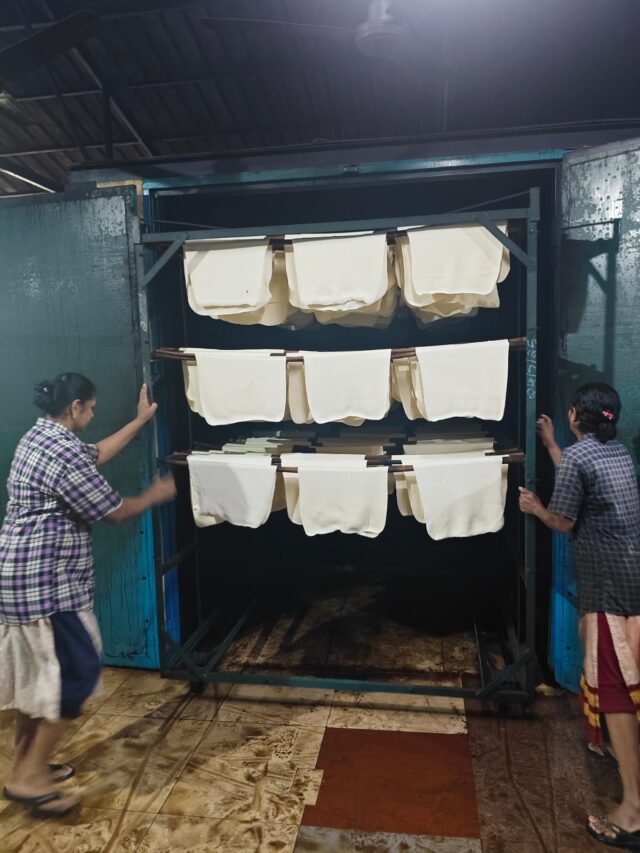
In the heart of Anamangad village in Kerala, where rubber trees line the horizon and tradition often defines gender roles, three remarkable women are quietly rewriting the rules of rural enterprise. They’re not just working in rubber—they’re leading it.
At the Chelamala Latex Processing Centre, Suma, Nisha and Radha are demonstrating what happens when women are trusted with tools, training and the power to lead. What they’ve built is more than a processing unit—it’s a profitable, women-led business that adds value to local produce, creates jobs and transforms how a community sees its daughters.
The Birth of a Women-Led Rubber Processing Unit in Kerala
Rubber is a way of life in Kerala. For decades, smallholder farmers have depended on raw latex for their income. But inconsistent pricing and middlemen often leave them with little profit.
In 2023, Lohashilpi stepped in with a simple yet transformative idea: empower women to process rubber at the source and retain value within the community. With training, equipment and a commitment to women’s leadership, the Chelamala Latex Processing Centre was born—an example of how agribusiness models led by women can thrive.
Meet the Women Behind the Success
Suma P – Leading Production and Customer Engagement
Once a postwoman at Vallamkulam Post Office, Suma saw an opportunity for change when Lohashilpi introduced training in rubber sheet processing.
“Transformation doesn’t happen overnight, but with small steps, you can achieve big changes.”
She now oversees production, stock management and customer handling, and takes pride in consistently producing 1X-grade sheets within 24 hours—a mark of quality in the rubber trade.
Nisha – Ensuring Quality and DRC Standards
Initially hesitant to take the lead, Nisha is now in charge of Dry Rubber Content (DRC) checking and sheet quality.
“The hardest step is the first one,” she reflects.
Known in the village as a pillar of the processing centre, Nisha ensures every sheet that leaves the unit meets high standards.
Radha – Processing & Hygiene Lead
The youngest member of the team, Radha brings energy, structure and attention to detail. Her work in overseeing sheeting and hygiene standards has streamlined processes and reduced waste.
“My experience at the Latex Processing Centre has given me the confidence to replicate a similar model for our rubber smallholders.”
How a Women-Led Rubber Processing Unit is Creating Impact
Since its launch, the Chelamala Latex Processing Centre has demonstrated the economic potential of women-led enterprises in rural India:
45 tonnes of rubber processed each month
10 women employed directly at the unit
Over 300 smallholder farmers receiving better prices
Consistent monthly profits, reinvested back into operations and community growth
Beyond profits and productivity, what truly sets this centre apart is its social impact: women earning independent incomes, being consulted by neighbours and inspiring the next generation of girls to lead.
Why Empowering Women in Agribusiness Matters
Across rural India, women’s contributions to agriculture and enterprise are often overlooked. But when given the opportunity, they not only thrive—they uplift entire communities.
The story of Suma, Nisha and Radha is a testament to what happens when women are placed at the center of rural value chains. They gain not just income, but agency, respect and leadership experience.
Lohashilpi is proud to support this transformation, but the real credit goes to these women—who show up every day with grit, skill and vision.
The Road Ahead: Expanding Women-Led Rubber Enterprises
Looking forward, the Chelamala Latex Processing Centre is preparing to:
Expand into new rubber-based product lines
Increase outreach to local farmers and cooperatives
Mentor women in neighboring panchayats to replicate the model
As Suma says:
“Empowering women, one process at a time.”
There’s still so much more to do—but the hands that run this center are strong, skilled and ready.
